
The Historical Origin of the Top of the Eiffel Tower
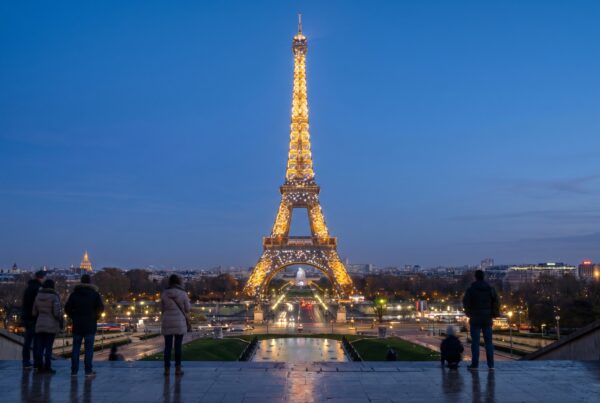
Gustave Eiffel created this iron lattice to serve as the main attraction for the 1889 Exposition Universelle. This monument now stands as the most recognizable silhouette in the entire world. Engineers originally planned the structure as a temporary installation to celebrate the French Revolution centennial. It has since become a permanent symbol of French ingenuity and architectural achievement. You can observe the urban landscape from various heights and unique perspectives from this landmark. Those who buy Eiffel tower tickets online often bypass the longest queues at the entrance.
Exploring the history of this monument reveals its significance as a global beacon of progress and art. It continues to attract millions who wish to experience the beauty of the city from above. Every visitor feels a connection to the past while standing on these historic iron platforms. The structure represents the transition into a new age of design for the people of France.
Building the World’s Tallest Iron Structure
Maurice Koechlin and Emile Nouguier worked as chief engineers under the supervision of Gustave Eiffel. The construction team joined eighteen thousand metallic parts using two and a half million individual rivets. The entire project reached completion in only two years and two months. Many Paris residents initially disliked the design and compared it to a giant metal skeleton. The tower eventually proved its worth as a critical radio telegraph station for the nation. This history marks the transition into modern industrial architecture for the city of Paris.
The technical precision required for this massive task set a new standard for engineers across the globe. This accomplishment remains a deep source of national pride for the people of France today. Workers faced extreme conditions to finish the project ahead of the scheduled world fair opening. Their dedication created a masterpiece that survived initial calls for its demolition.
Structural Engineering Seen From the Top of the Eiffel Tower
The architecture of the monument represents a marvel of precision that accounts for wind resistance. Thermal expansion within the metal frame causes the iron to expand during the heat of summer. The structure can actually grow by up to fifteen centimeters during the hottest months of the year. Four massive pillars rest on concrete foundations and house the complex elevator systems. These lifts carry thousands of people to the upper observation levels every single day. Learning these facts adds a layer of appreciation for the workers who built the frame.
This careful design ensures the safety of every visitor who reaches the highest platforms of the tower. Modern maintenance crews still follow the original preservation plans to keep the iron healthy and strong. They apply fresh paint regularly to protect the metal from the elements of nature. The integrity of the structure remains a priority for the management team at the landmark.
Landmarks Visible From the Top of the Eiffel Tower Viewing Deck
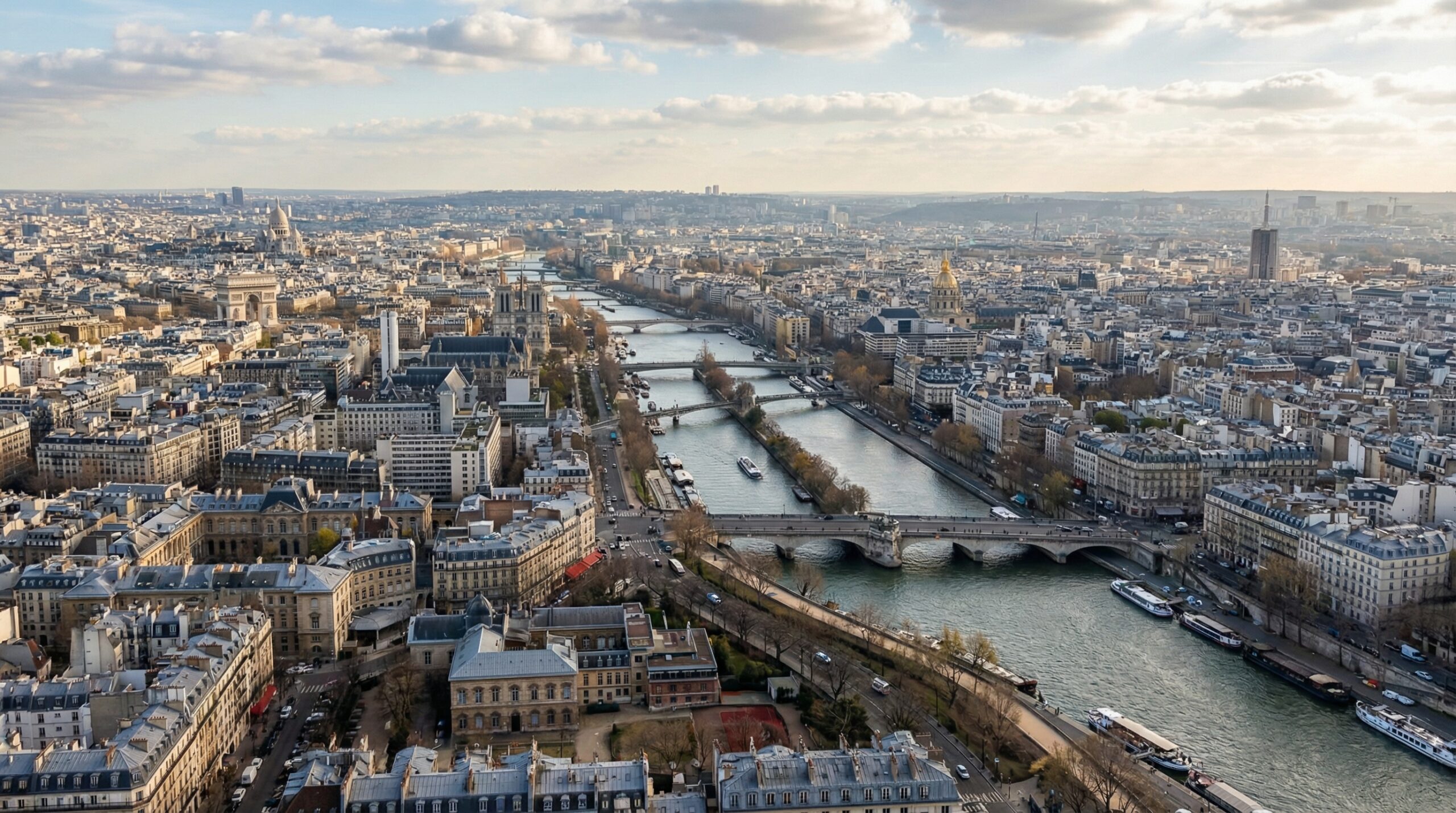
Visitors on the second floor observation area can easily identify the Arc de Triomphe. This arch sits at the center of the famous Place Charles de Gaulle. To the east the Louvre Museum displays its glass pyramid and vast art galleries. The golden dome of Les Invalides shines nearby and offers a great point for navigation. The view from this level provides excellent clarity for photography during the day. Buildings appear close enough to see architectural details without any atmospheric haze from the city.
Each landmark tells a unique story of the cultural evolution that shaped the modern city of Paris. You can see the blend of ancient stone and modern glass from this unique vantage point. The second floor offers a balanced perspective of the urban sprawl and the historical center. Tourists often spend several hours identifying the famous buildings from this height.
Watching the Seine River Flow Through Paris
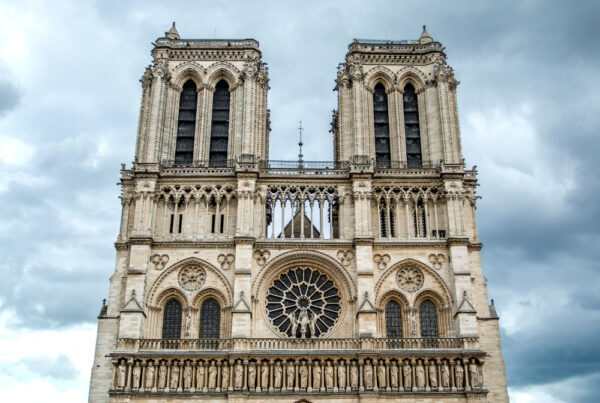
Tourists can also see the winding path of the Seine River from this height. The water flows past the Notre Dame Cathedral and the historic islands of the city center. This perspective reveals how the city grew around the river over many centuries. The Trocadéro Gardens provide a perfect symmetrical perspective of the fountains and the Palais de Chaillot. Many photographers prefer this specific angle to capture the balance of the Parisian landscape. The green space of the Champ de Mars stretches out in the opposite direction.
Boat tours often pass beneath the nearby bridges to give another view of the famous skyline. Observing the water from above provides a peaceful contrast to the active and busy city streets. The river serves as a guide for anyone looking to navigate the historic neighborhoods of the capital. It reflects the sunlight and creates a beautiful scene during the afternoon hours.
Discovering the Summit Office at the Top of the Eiffel Tower
The journey to the highest level requires a separate elevator ride from the second floor. This upper level provides an entirely different atmosphere and a panoramic view of the region. The visibility extends up to seventy kilometers on a clear day without any clouds. Tourists can see the Sacré-Cœur Basilica perched atop the hill of Montmartre from this peak. You should look for eiffel tower summit tickets specifically if you wish to reach this third level. Standard entry often only covers the first two floors of the monument.
Standing at this extreme elevation offers a perspective that few other places can provide in Europe. The relative silence at the peak allows you to appreciate the vastness of the French capital. The wind feels stronger here and adds to the thrill of reaching the very summit. It is the ultimate goal for many travelers visiting the city for the first time.
Visiting the Private Apartment of Gustave Eiffel
The peak houses a reconstruction of the office where Gustave Eiffel received his distinguished guests. He often hosted famous individuals like Thomas Edison within this small private apartment. The space remains preserved with figures and original furniture to show the life of the engineer. Looking out from the peak gives a sense of the sheer size of the metropolis. This attraction is a place where one can feel the connection to French history. It remains a world leader in tourism and architectural interest for millions of visitors.
This hidden space serves as a reminder of the personal passion behind the massive engineering project. It adds a human touch to the industrial scale of the surrounding iron beams and rivets. Visitors can imagine the conversations that took place within these walls over a century ago. The office provides a unique glimpse into the personal world of the creator of the tower.
How to Secure Your Tickets for the Top of the Eiffel Tower
The best time for your visit depends on whether you prefer daylight or city lights. The monument features a spectacular light show that occurs every hour on the hour at night. This creates a shimmering effect across the entire iron frame for five minutes. The best day of the week to visit is typically Tuesday or Wednesday. Crowds are slightly thinner during these days compared to the weekend peak periods. Opening hours usually run from early morning until late at night to help visitors.
Early booking is the most effective way to avoid disappointment during your vacation in the city. Many travelers find that planning ahead saves hours of waiting in the long public lines. You should check the official schedule to ensure the summit remains open during your planned visit. Preparing for the security checks will also help you move through the entrance quickly.
Plan Your Parisian Adventure with Expert Guidance
The most effective way to secure your visit is through the professional services at unclesam.tours today. Expert guides facilitate small groups and provide deep historical context for the entire experience. These tours offer streamlined access to both the second floor and the summit viewing platforms. You can focus entirely on the breathtaking skyline while your guide manages the entry logistics.